
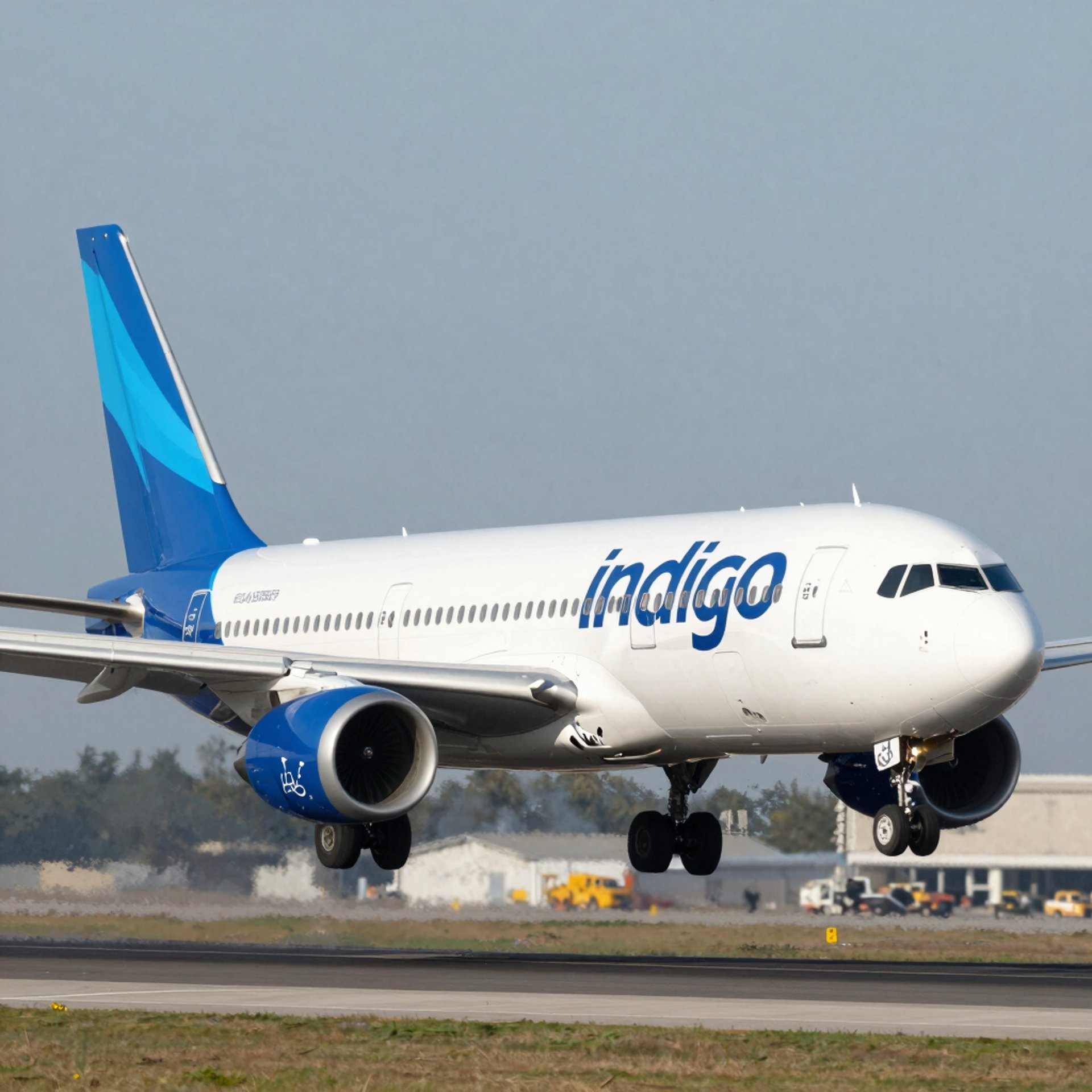
Pieter Elbers Resigns as IndiGo CEO
The turbulence at India’s largest carrier has finally led to a leadership shakeup. Today, March 10, 2026, Pieter Elbers resigned as CEO of IndiGo with immediate effect. This move follows the "IndiGo Fiasco" of late 2025—an operational collapse that saw over 5,000 flights cancelled and hundreds of thousands of passengers stranded, leading to heavy regulatory scrutiny.
A Timeline of the Fiasco
December 2025: IndiGo experiences a massive network-wide disruption. Over 300,000 passengers are affected by delays and cancellations.
January 2026: The DGCA investigates the meltdown, citing issues with pilot fatigue management (FDTL) and internal crew scheduling.
March 10, 2026: Elbers resigns, citing "personal reasons." Rahul Bhatia, the airline's co-founder and Managing Director, resumes the role of CEO in the interim.
The Founder Feud: Bhatia vs. Gangwal
The return of Rahul Bhatia to the CEO seat is particularly significant given the decade-long civil war between him and co-founder Rakesh Gangwal.
2019 : The rift goes public. Gangwal writes to SEBI alleging corporate governance lapses and questioning Related Party Transactions (RPTs) within Bhatia’s InterGlobe Enterprises.
2019–2021 : The battle moves to the London Court of International Arbitration (LCIA). Bhatia sues Gangwal over a breach of the Shareholders’ Agreement (SHA).
2021 : The LCIA rules that restrictive clauses in the SHA (like the Right of First Refusal) were unreasonable. A shareholder vote in December 2021 officially removes these restrictions.
2022 : Rakesh Gangwal resigns from the board and announces a five-year plan to exit the company entirely.
2022–2025 : Gangwal systematically dilutes his stake. By late 2025, his holding falls below 5%, leaving Bhatia with undisputed control.
The Three Pillars of IndiGo's DNA
On-Time Performance (OTP): Above all else, the original DNA was built on being the most punctual airline in India. The "DNA" approach views delays not as an inconvenience, but as a failure of the core product.
Cost Fanaticism: This includes the famous "Sale-and-Leaseback" model—buying planes in bulk at discounts and leasing them back to keep the balance sheet light—and maintaining a young, single-type fleet (Airbus A320) to minimize maintenance and training costs.
Hassle-Free Simplicity: The original model avoided "frills" like free meals or business class to ensure the fastest possible turnaround times (often under 25 minutes) at the gate.
The End of the Duopoly?
For years, the Indian market has been a two-horse race between IndiGo and the Tata-owned Air India. However, this leadership vacuum at IndiGo comes at a precarious time. With Air India aggressively modernizing its fleet and Akasa Air expanding, IndiGo's "punctuality" brand is under threat. Will Bhatia's return to "original DNA" management stabilize the carrier, or has the duopoly finally cracked under the weight of operational over-expansion?